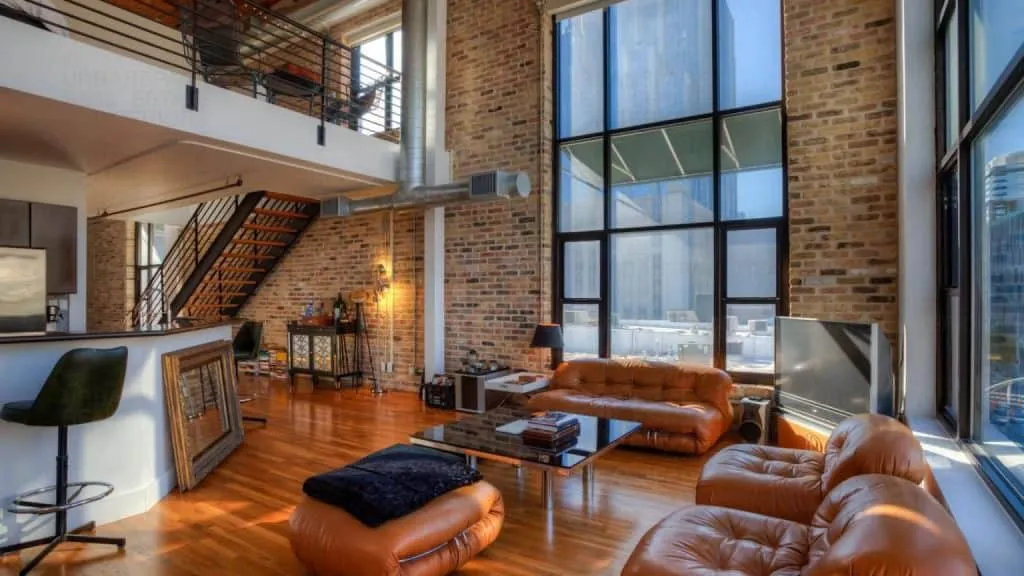
Thinking of turning an industrial warehouse into a trendy, income-generating loft in Austin? You’re not alone. With Austin’s continued urban boom in neighborhoods like East Austin, Highland, and the North Loop, more property owners are seeing the potential in warehouse-to-loft conversions. Whether you’re eyeing a commercial lease opportunity, launching a design-forward co-working space, or developing a one-of-a-kind residential setup, there’s a lot to know before you start knocking down walls or drawing up plans.
This guide is designed for commercial and residential property owners, developers, designers, and creative investors who want to understand the full process—costs, code issues, design trends, and where to start. We’ll explore why this renovation is gaining popularity, what upgrades matter most in Austin’s evolving market, how to attract quality tenants or buyers, and how to keep your project compliant, functional, and profitable in 2025 and beyond. Expect insights from local permitting to energy-efficient design trends, plus actionable tips to avoid delays and unexpected costs.
Section 1: Why This Project Matters in Austin
The Demand for Creative, Adaptive Space
Austin has become a magnet for startups, artists, small businesses, digital nomads, and remote professionals seeking unique, open-format environments. In neighborhoods like East Austin or Highland, traditional apartments and office spaces no longer match the aesthetic or cultural vibe tenants are after. That’s where loft conversions shine—they offer a blend of utility and artistry, often with exposed brick, high ceilings, and adaptive layouts that can be customized for work, living, or both.
Warehouse conversions also help:
- Reuse underutilized or abandoned commercial stock
- Bring fresh energy to historically industrial or transitional zones
- Attract niche tenants like creative agencies, yoga studios, or multimedia content teams
- Maximize return on investment in high-demand neighborhoods with limited inventory
In 2025, with Austin’s zoning map shifting to accommodate higher density, walkability, and creative use spaces, now is the time to act. Many neighborhoods are encouraging adaptive reuse and infill development, especially along major corridors like Airport Blvd, South Congress, and Springdale Road. These areas are rapidly transitioning into live-work-play destinations. The city is also prioritizing more sustainable and affordable housing solutions, making warehouse conversions a timely strategy for both community impact and personal gain.
Converting a warehouse into a mixed-use loft not only elevates the property’s marketability but also contributes to Austin’s sustainability and housing goals. It bridges the gap between past industrial utility and future-forward design.
Section 2: Common Design Trends or Upgrades
What’s Popular in Loft-Style Living and Workspaces
Loft-style spaces are all about balance—raw materials with refined finishes, industrial bones with modern comfort. Here are the most in-demand elements in Austin:
- Exposed ceilings and beams for industrial charm
- Polished concrete or reclaimed hardwood flooring
- Open-plan kitchens with oversized islands, flat-front cabinetry, and matte finishes
- Large windows or converted roll-up garage doors for natural light and airflow
- High-efficiency mini-split HVAC systems or smart ducted systems
- Mixed-use nooks: podcast booths, mezzanines, soundproof alcoves, or vertical gardens
- Eco-conscious insulation using recycled denim or cellulose
- Statement lighting and artistic installations tailored to local branding or identity
Lifestyle-Focused Amenities
Especially in SoCo (South Congress), East Austin, and emerging hubs like North Loop, tenants and buyers value experiential add-ons. These include:
- Rooftop decks or urban gardens
- Smart home automation with app-controlled lighting, HVAC, and keyless entry
- Full soundproofing (ideal for musicians, podcasters, therapists)
- Low-VOC and sustainable building materials
- Flex space for co-working, pop-ups, or small-scale retail
- Designer lighting, gallery walls, and mural-friendly exteriors
- Creative breakout spaces like libraries, acoustic lounges, and meditation corners
Designing for lifestyle integration, not just aesthetics, sets your project apart. Think beyond living space—what kind of experience will tenants or visitors have? Immersive, Instagram-worthy interiors also help drive foot traffic and long-term brand value for commercial tenants.
Section 3: Cost Breakdown in Austin
In 2025, converting a warehouse into a loft in Austin can cost anywhere from $85 to $210 per square foot, depending on location, structure, zoning, and quality of finishes.
Updated Cost Tiers (Per Sq Ft):
- Basic conversion: $85–$110 (minor interior changes, paint, basic utilities)
- Mid-range retrofit: $120–$150 (kitchen, HVAC, flooring, lighting, façade refresh)
- High-end redesign: $160–$210+ (structural work, smart tech, ADA, energy systems)
Budget Planning Tips:
- Reuse existing materials where possible (brick, beams, original steelwork)
- Prioritize mechanical systems, insulation, and HVAC upgrades early
- Stage your upgrades—start with code requirements, then design enhancements
- Take advantage of City of Austin green building incentives or historic tax credits if eligible
- Consider co-investing with your future tenant on custom upgrades
- Look into construction loans or lines of credit tailored for adaptive reuse projects
- Factor in architectural and engineering fees (typically 10–15% of build cost)
- Plan ahead for furniture, fixtures, signage, and branding costs if commercial
Always plan for a 15–20% contingency to cover surprises like soil issues, fire retrofits, asbestos removal, or legacy wiring. And remember: smart upgrades, even at a higher up-front cost, often lead to quicker leasing or sales and reduced long-term maintenance.
Section 4: Permits, HOA, or Zoning Considerations
Permitting Is Not Optional
Warehouse conversions involve major changes in use and structure. Here’s what you’ll likely need:
- City of Austin Change of Use permit (especially from industrial to residential or mixed-use)
- Site Plan Review if you’re adding square footage or changing exterior access
- Structural engineering approval for mezzanines, HVAC loads, or large window installations
- Trade permits (plumbing, mechanical, electrical)
- ADA upgrades (restroom access, ramps, parking)
- Energy audits or green building reports depending on scope and neighborhood
If you’re located in a condo-style commercial HOA or near a neighborhood overlay (e.g., Holly, East Cesar Chavez), you may also need:
- HOA board approval and documentation
- Special restrictions on signage, outdoor decks, or noise mitigation
- Historic preservation input if your building dates before 1960
- Noise compliance or light pollution approvals depending on late-night commercial use
Don’t forget to check the City of Austin Development Services Portal before drawing plans. Getting a head start on zoning, overlays, and neighborhood input can save weeks or even months of delay and may reveal incentives or assistance programs you’re eligible for.
Section 5: How to Choose the Right Contractor in Austin
Warehouse conversions are complex projects requiring coordination between zoning, structural needs, utilities, and modern design.
Vet Your Contractor With These Questions:
- Have you converted industrial buildings into residential/commercial units in Austin?
- Are you familiar with warehouse fire code upgrades and ventilation systems?
- Can you work alongside city inspectors, zoning staff, and structural engineers?
- Do you have a designer or architect partner familiar with Austin’s mixed-use codes?
- Are you bonded and insured for commercial renovation?
- Can you help coordinate funding or work with investors on long-term phasing?
Red Flags to Watch For:
- No adaptive reuse or commercial-to-residential conversion experience
- Low-ball quotes with vague scopes of work
- No reference projects in neighborhoods like Highland, East Austin, or Mueller
- Unwilling to pull permits or work transparently with inspectors
- Poor communication or rushed timelines with no contingencies
At LIV180, we’ve transformed warehouses into upscale lofts, creative hubs, and mixed-use storefronts across Central Austin. We work closely with local engineers, zoning officials, and designers to deliver legally sound, energy-efficient, and aesthetic builds tailored to your tenant or lifestyle goals.
Section 6: Case Study – North Loop Loft Conversion
Client: Artist couple and photographer
Original Structure: 2,400 sq ft warehouse with no insulation or plumbing
Scope:
- Full roof and window retrofit
- Added mezzanine sleeping area
- Kitchen and bath with matte black fixtures
- Solar array and mini-split system
- Reused original wood for shelving and accent walls
Result:
- Completed in 14 weeks
- Featured in Austin Chronicle’s “Creative Spaces” series
- Leased immediately at 35% over average district rates
- Won a neighborhood sustainability award for upcycled material use
Call Now & Work With Us
If you’re considering a warehouse-to-loft conversion in Austin—especially in high-demand zones like East Austin, South Congress, or North Loop—LIV180 is your trusted local remodeling partner. Call us today at 561-235-9669 for a free site walkthrough, feasibility consultation, and design proposal.
We bring vision, city-code fluency, sustainable strategies, and bold transformation ideas to every adaptive reuse project. Let’s reimagine your warehouse into a space that inspires, earns, and grows.
Contact Info
LIV180 Luxury Remodeling
Serving Austin, TX and surrounding areas
Call 561-235-9669
Schedule Your Free Consultation
https://form.jotform.com/LIV180/consultation
In partnership with Painter Bros of West Lake Hills
 Azgari
Leave a comment