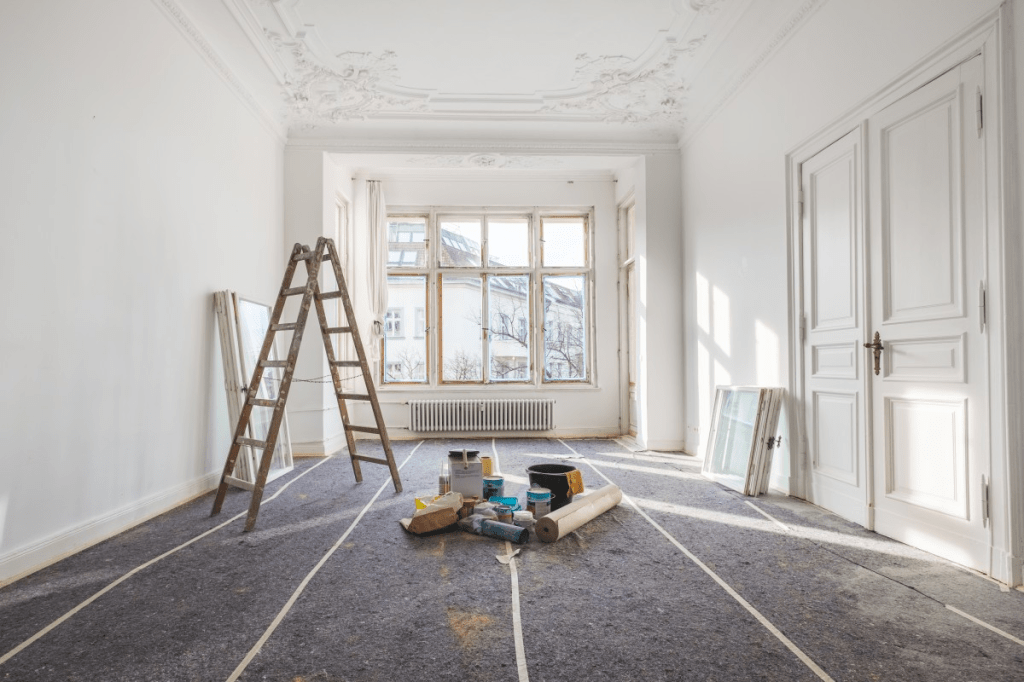
Renovating a historic home in Clarksville isn’t just a remodeling project—it’s a respectful reinvention of Austin’s rich architectural story. Whether you’re restoring a charming Queen Anne cottage or breathing new life into a 1920s bungalow, this guide is for Austin homeowners who want modern comfort without compromising historical integrity or neighborhood charm.
If you’re struggling with outdated layouts, tight spaces, or materials that no longer perform, but still want to preserve the character that makes your Clarksville home unique, you’re not alone. This article breaks down the smart ways to design around history, work within the city’s strict preservation rules, and bring fresh functionality to a home full of soul. We’ll explore modern upgrades that don’t disrupt period aesthetics, how to navigate Austin’s strict zoning rules, and provide cost-conscious advice rooted in local expertise. Plus, we’ll include case studies and inspiration from real Austin projects to show what’s possible when craftsmanship meets respect for history.
Section 1: Why This Project Matters in Austin
Historic Identity in the Heart of the City
Clarksville is more than one of Austin’s oldest neighborhoods—it’s a living landmark of post-Civil War freedom colonies and early 20th-century architecture. Its proximity to downtown, tree-lined streets, and rich cultural roots make it a rare gem. But those benefits also come with tight zoning laws and design constraints, especially for homes within the West Austin Historic District.
Why homeowners take on this renovation:
- To update kitchens, bathrooms, and mechanicals while preserving original materials and layout
- To raise property value without diminishing the cultural or architectural identity of the area
- To make homes livable for modern families without triggering city code violations or historic review issues
- To create a healthy blend of preservation and personalization for long-term residence
A thoughtful upgrade in Clarksville isn’t just personal—it helps preserve the city’s architectural legacy while keeping the community visually cohesive. These projects often become part of the larger story of Austin’s evolution, bridging tradition with livability in one of the city’s most beloved neighborhoods.
Section 2: Common Design Trends or Upgrades
What’s In Style for 2025 in Historic Homes
Designing for a historic property means walking the line between preservation and innovation. Luckily, the 2025 trends blend beautifully with traditional styles and work especially well in Austin’s vintage homes.
- Heritage-Modern Kitchens: White oak cabinetry, shaker profiles, soapstone countertops, and unlacquered brass fixtures maintain a vintage look while delivering durability.
- Timeless Bathrooms: Period-accurate tilework (subway, penny, or hex), restored cast iron tubs, and Victorian-style vanities add charm while upgrading functionality.
- Mixed Lighting: Rewired antique sconces paired with minimalist pendant lights create contrast and drama.
- Eco-Friendly Retrofitting: Zoned HVAC, solar panels positioned behind roof lines, rainwater collection systems, and spray foam insulation hidden behind walls deliver performance with discretion.
- Creative Built-Ins: Window benches, reading nooks, or floor-to-ceiling bookshelves that reflect the era’s original craftsmanship while meeting today’s needs.
- Textural Harmony: Preserving plaster, beadboard, original hardware, and millwork wherever possible gives the home a layered, authentic feel.
Designers also recommend neutral, warm palettes that harmonize with original hardwoods, antique doors, and plaster textures. In Clarksville, less is often more. These upgrades aim to enhance utility while maintaining a strong visual thread to the past, supporting both beauty and function.
Section 3: Cost Breakdown in Austin
Budgeting Wisely for Historic Upgrades
Renovating a historic home involves higher costs due to sourcing vintage materials, hiring preservation-savvy tradespeople, and accommodating city inspections. Here’s what to expect in 2025:
- Kitchen Renovation: $65K–$110K (custom cabinets, aged hardware, layout restructuring, selective demolition)
- Bathroom Remodel: $30K–$60K (plumbing rework, tile, lighting upgrades, refinishing old tubs)
- Exterior Repairs: $15K–$40K (wood siding restoration, historic windows, porch details, color correction)
- Whole-Home Preservation Projects: $250K–$500K depending on size, architectural complexity, and level of permitted work
- Interior Restoration: $45K–$90K for original flooring, trim, plasterwork, and structural repairs
Ways to Maximize Value:
- Apply for the Texas Historic Preservation Tax Credit and potential city tax abatements
- Work with contractors who offer phased construction plans to reduce initial cash outlays
- Source reclaimed materials from Austin salvage yards and secondhand architecture dealers
- Prioritize structural and utility updates first to future-proof your investment and improve energy efficiency
- Repurpose existing features creatively (e.g., using original doors for closet sliders or salvaged tile for accent walls)
Remember: while these costs are significant, the long-term payoff includes increased home value, community prestige, and reduced operating costs when retrofits are done right. Plus, the pride of preserving a piece of Austin’s story adds value beyond dollars.
Section 4: Permits, HOA, or Zoning Considerations
Navigating Austin’s Preservation Requirements
Clarksville is protected by both local and federal preservation bodies, which means any visible changes must be reviewed for historical appropriateness.
Here’s what to know:
- Certificate of Appropriateness (COA): Required for any exterior alteration, including windows, siding, and porches
- Historic Review Commission: Must approve major design or material changes to avoid fines or stop-work orders
- Zoning Overlay Restrictions: May limit ADUs, setbacks, roof height, and other structural changes
- Environmental and Tree Ordinances: May impact your landscaping plans and dictate drainage or shade tree retention
- Demolition Delay Requirements: For contributing structures, certain changes may be delayed or denied outright
Start your application process with the City of Austin Historic Preservation Office before drafting construction plans. Most projects will require more time for approval than a standard remodel, so planning ahead is critical. Consulting with a preservation architect early can streamline the process and reduce rework.
Section 5: How to Choose the Right Contractor in Austin
Experts Who Understand the Neighborhood’s Character
Choosing the right team is essential. Your contractor should not only be licensed and insured but experienced with:
- Historic reviews and COA filings with the City of Austin
- Custom millwork and period-specific materials sourced locally
- Reworking floorplans without altering facades or sightlines
- Submitting tax credit documentation for state and local benefits
- Sourcing and matching antique finishes that meet both code and aesthetic needs
Questions to ask:
- Have you worked on homes in Clarksville or nearby historic districts?
- Do you use preservation architects or consultants?
- Can you match existing window trims, porch details, or plasterwork from the original build?
Red flags include lowball quotes, suggestions to use synthetic siding, or unfamiliarity with the city’s historic compliance process. LIV180 only partners with experienced craftspeople and suppliers who understand the nuances of Austin’s historic design code and the importance of preservation integrity.
Section 6: Before and After Ideas / Case Study
A 1915 Shotgun House Gets a Seamless Update
Before:
- Cracked plaster walls, sagging porch, and 70s-era vinyl flooring
- Closed-off kitchen with outdated appliances and poor lighting
- Mismatched exterior paint from multiple past DIY fixes
After:
- Restored plaster and beadboard walls, new hardwoods matching original grain and patina
- Kitchen opened to dining with a passthrough window, antique-style appliances, and butcher block counters
- Exterior repainted in a historically accurate palette with re-trimmed windows, porch columns restored to original shape
- Energy-efficient HVAC added discreetly, preserving ceiling height and wall integrity
Results:
- 20% higher appraised value within 12 months of completion
- Qualified for both local and state tax credits
- Selected for Austin’s Historic Home Tour, reinforcing long-term value and curb appeal
Call Now & Work With Us
If you’re considering a renovation in Clarksville or anywhere in Central Austin, give LIV180 a call at 561-235-9669 for a free consultation and design plan. We specialize in transforming dated, delicate structures into vibrant homes that respect the past and serve the future. From architectural compliance to custom carpentry, we deliver quality craftsmanship rooted in local expertise. Let’s protect the spirit of your home while building a legacy that lasts.
Contact Info
LIV180 Luxury Remodeling
Serving Austin, TX and surrounding areas
Call 561-235-9669
Schedule Your Free Consultation
https://form.jotform.com/LIV180/consultation
In partnership with Painter Bros of West Lake Hills
 Azgari
Leave a comment